




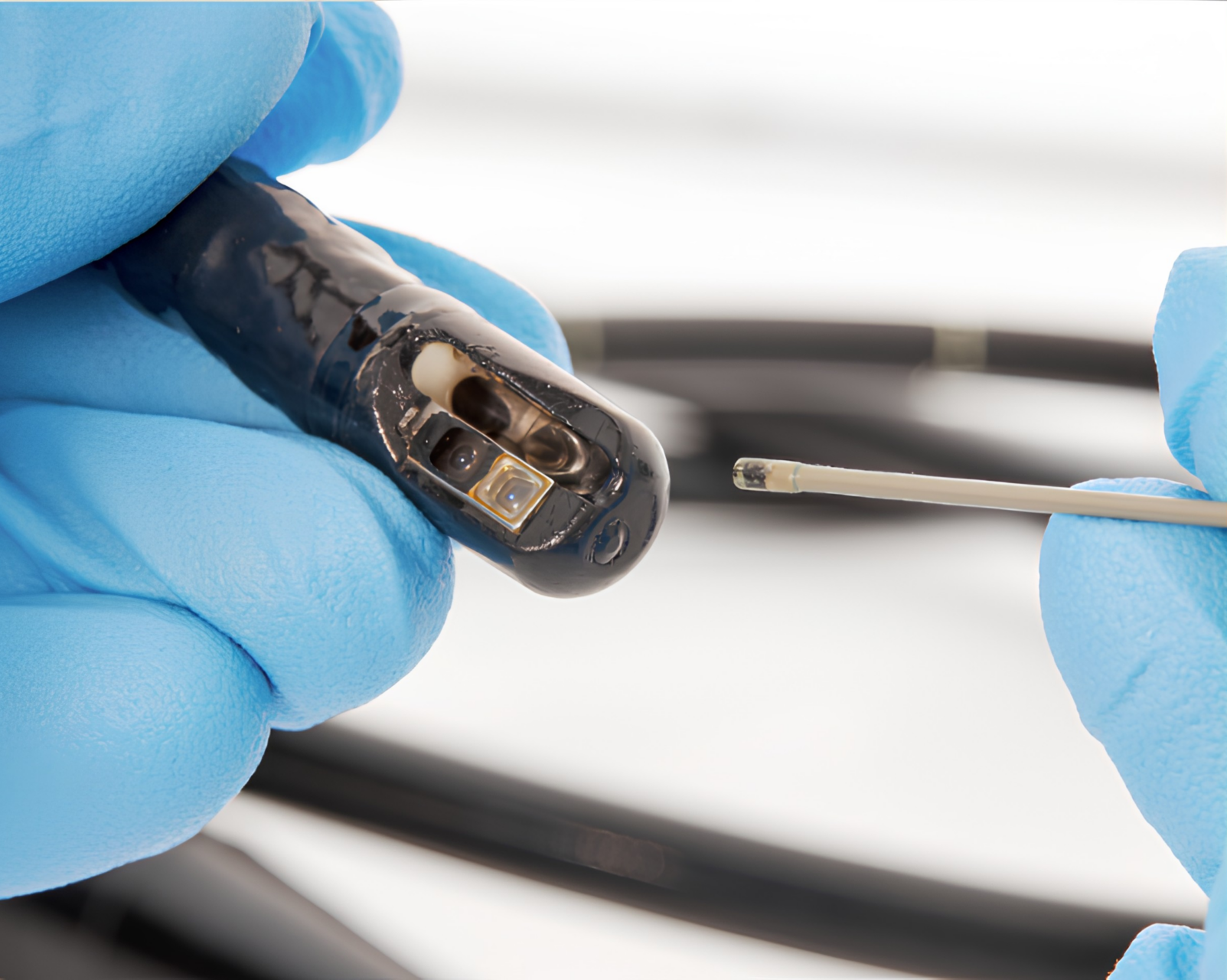
When Compliance Pressure Is High, Visibility Is Everything
Sterile Processing departments operate under constant pressure. Staffing challenges, increasing case volumes, complex instrumentation, and ever-evolving regulatory expectations can leave teams feeling stretched thin—especially when surveyors arrive unexpectedly.
At Advantage Support Services, Inc. (ASSI), we partner with hospitals to evaluate, strengthen, and defend their device reprocessing practices. Our role is to look closely at what truly happens in day-to-day operations and identify risks before they surface during a regulatory survey.
Over years of Clinical Assessments, one issue consistently rises to the top:
The greatest risks in Sterile Processing are often the ones you cannot see.
That is why borescope inspection has become an increasingly important part of modern Sterile Processing quality programs and compliance strategies.
The Hidden Risk Inside Lumened Instruments
Modern surgical instruments—particularly those with long, narrow lumens—are among the most difficult devices to clean, inspect, and confidently release for use. Even with validated cleaning processes, hidden defects may remain, including:
- Retained bioburden
- Corrosion or internal damage
- Water-quality staining or chemical residue
- Residual brush fibers or debris
When an SPD technician sees “something in the lumen,” the question isn’t just what it is—it’s whether the department can visually confirm, document, and defend the condition of that device.
This is where borescope inspection provides significant value. By allowing direct visualization of internal channels, borescope inspection helps Sterile Processing teams move beyond assumptions and make evidence-based decisions about instrument quality.
Most Sterile Processing education focuses on process. Far less training exists around visual identification of internal defects. Without effective borescope inspection tools, departments are often forced to rely on assumptions rather than direct evidence.
ASSI’s Clinical Assessment Perspective
During Clinical Assessments, ASSI places strong emphasis on internal inspection of lumened devices. Our experience has shown that organizations utilizing structured borescope inspection programs often have greater visibility into device condition and stronger documentation practices.
Retained bioburden doesn’t just represent a compliance risk. It carries real consequences:
- Case delays and instrument reprocessing
- Additional labor and sterilization cycles
- Increased exposure to hospital-acquired infections (HAIs)
- Heightened regulatory scrutiny and documentation demands
The common denominator in preventing these outcomes is visibility.
And visibility starts with a consistent approach to borescope inspection.
Why Borescope Inspection Is Foundational—Not Optional
Borescope inspection has become one of the most effective methods for uncovering risks hidden inside complex surgical instruments. From ASSI’s perspective, borescope inspection is no longer a “nice to have” technology—it is becoming a foundational component of a defensible Sterile Processing quality program.
However, simply owning a borescope is not enough.
Without structure, documentation, training, and consistency, borescope inspection becomes an isolated task rather than a sustainable quality process—one that surveyors increasingly expect healthcare organizations to demonstrate.
That is where the partnership between operational expertise and purpose-built inspection technology becomes critical.
Clarus Medical: Enabling a Defensible Borescope Inspection Program
ASSI has evaluated a wide range of inspection tools and workflows. The solution we rely on combines Clarus Medical’s advanced borescope inspection technology with SmartScope™ Software, creating a complete inspection ecosystem rather than a standalone device.
What distinguishes this approach is not simply image quality. It is the ability to integrate borescope inspection into the broader Sterile Processing quality system.
SmartScope™ helps departments:
Standardize Borescope Inspection Workflows
- Purpose-built for borescope inspection process management
- Consistent inspection steps across staff, shifts, and locations
Capture Visual Evidence with Context
- Images and videos linked directly to specific devices
- Inspection findings documented at the point of use
Centralize Borescope Inspection Data
- Device inspection history stored securely in one location
- Rapid access to historical inspection records
Produce Actionable, Survey-Ready Reports
- Structured inspection data and analytics dashboards
- Easy sharing with leadership teams, repair vendors, and surveyors
- Exportable data for quality improvement initiatives
Deploy Quickly with Minimal Disruption
- Cloud-based platform requiring no software downloads
- Compatible with major USB borescope brands
- Teams can be trained and operational in a single day
From a consulting perspective, this matters because surveyors don’t simply ask whether you perform inspections.
They ask:
- How do you perform borescope inspection?
- How often is borescope inspection conducted?
- How are findings documented?
- How do you know your inspection program is effective?
A Shared Commitment to Higher Standards
Sterile Processing teams deserve tools and processes that match the complexity of the devices they reprocess.
Through advanced borescope inspection technology, healthcare organizations can directly visualize internal channels, identify hidden defects, and build stronger quality assurance programs. Clarus Medical provides the technology, while ASSI helps organizations implement, sustain, and defend those practices through Clinical Assessments, education, and operational support.
The outcome is meaningful:
- Reduced patient exposure to infectious material
- Increased confidence for OR and SPD teams
- Stronger compliance posture during regulatory surveys
- Improved instrument quality and surgical readiness
Together, ASSI and Clarus Medical help healthcare organizations see more, know more, and do better—for their teams and their patients.
Ready to Strengthen Your Borescope Inspection Program?
Many healthcare organizations discover inspection gaps only after survey findings, tray quality issues, or recurring compliance concerns emerge.
ASSI Clinical Assessments help healthcare leaders evaluate Sterile Processing operations, identify hidden risks, and build sustainable quality systems—including effective borescope inspection programs.
Schedule a consultation with ASSI to learn how Clinical Assessments and Clarus Medical’s borescope inspection technology can help your team improve compliance, strengthen patient safety, and create a more defensible Sterile Processing operation.
Continue the Conversation
This article is part of the ongoing leadership discussions featured in The Executive Edge—ASSI’s LinkedIn newsletter for perioperative and sterile processing leaders focused on performance, compliance, and sustainable systems.
→ Follow The Executive Edge on LinkedIn
Recognized for Excellence in Surgical Services
Awarded by Healthcare Business Review
2026 Top Surgical Services Staffing & Consulting Company
ASSI’s consulting capabilities build on its foundation of education, staffing expertise, and operational insight, supporting both leadership transitions and targeted performance improvement.
