




The OR Staffing Shortage Nobody Is Talking About
By JC Muhammad
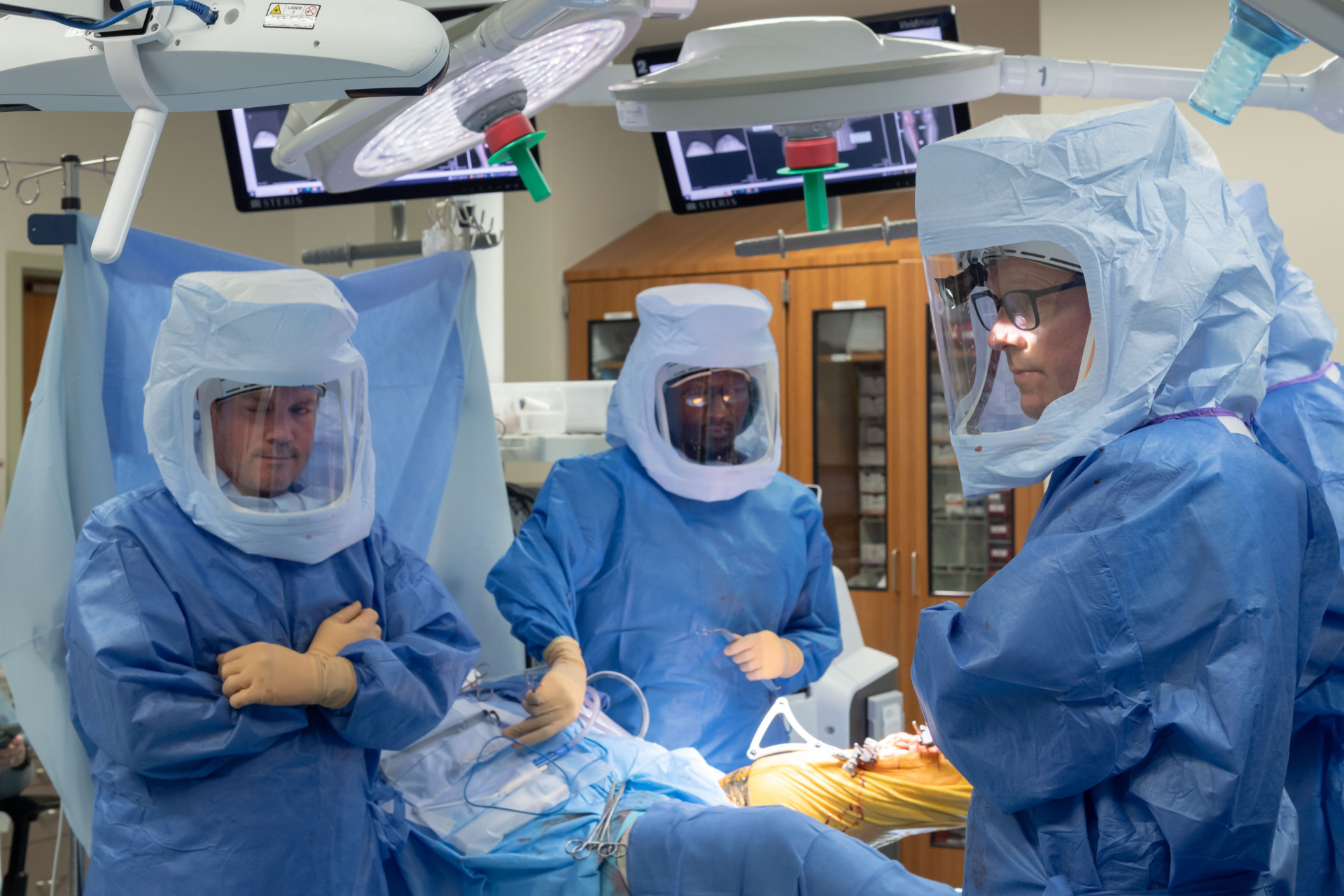
The operating room has always been its own world—high stakes, high skill, zero margin for error. But for the past several years, it’s also been a world struggling to keep itself staffed. And the way most people talk about this problem—if they talk about it at all—misses what’s actually happening on the ground.
Here’s what those of us working alongside hospital staffing companies and surgical services have been watching: it doesn’t stay in one place.
One quarter, nobody can find a scrub tech. Facilities are calling, positions are open, and the pool is thin. Then, a few months later, the scrub tech market stabilizes—and now nobody can find an RN circulator. It rotates. It cycles. And it has been doing this for years. This isn’t a one-time pandemic spike or a temporary blip. It’s a structural feature of the perioperative workforce that OR leaders need to plan around, not just react to.
Why the OR Is Different
Not every nursing shortage looks the same. The OR is a specialty niche that requires a specific skill set—and more than that, specific case experience. A circulator who excels in OB won’t necessarily be ready for an orthopedic total joint team. A scrub tech with strong GYN experience isn’t automatically equipped for spine or cardiac. The clinical translation is far less forgiving than it is in med-surg or even the ICU.
This creates a staffing bottleneck that broader healthcare workforce numbers don’t capture. When a report says “nursing vacancies are up,” OR leaders know that figure doesn’t mean much if the available candidates don’t have the right surgical experience for their caseload. You don’t just need a nurse. You need a nurse who has done your cases, knows your surgeons’ preferences, and can function on your team without a six-month ramp-up.
That’s a much smaller pool. And in markets like Nashville—a city dense with hospital systems—that pool is shared across dozens of competing facilities. Everyone is fishing in the same water.
The Traveler Question
Travel nurses didn’t cause the OR staffing shortage, but they’ve become one of the most visible responses to it. And the conversation around travelers in the OR is more complicated than many OR leaders are willing to say out loud.
The honest version: travelers can be a genuine solution, or they can be a revolving door that disrupts team cohesion and costs facilities more than they bargained for. The difference isn’t whether you use travelers—it’s how you vet and integrate them.
An OR circulator stepping into a new facility isn’t just learning a new EHR. They’re learning a surgeon’s preferences, a team’s communication patterns, the unwritten rhythms of that particular room. When a traveler comes in without the right specialty experience, or without being properly evaluated for culture fit, the costs show up fast—in turnover, in tension, and in wasted orientation time.
When it works—when a traveler shows up with the right case experience, the right disposition, and the right work ethic—something else can happen. They fall in love with the team. They fall in love with the city. And six months later, they’re asking about a permanent position. That outcome is what good placement looks like.
What OR Leaders Can Do
The staffing shortage isn’t going away. But there are ways to be less at its mercy.
The facilities that navigate this best tend to share a few things in common. They’ve built real relationships with hospital staffing companies that actually understand the OR—not generalist agencies that treat a circulator the same as a floor nurse. They’ve invested in getting the right person rather than the fastest person. And they’ve thought carefully about culture, not just credentials.
Personality matters in the OR. More than most clinical settings, the OR functions as a tight team under pressure. When someone disrupts that dynamic—regardless of their skill level—the whole room feels it. The best OR leaders have learned to screen for this, and the best staffing partners know how to surface it before placement.
There’s also something to be said for stability on the staffing side. High recruiter turnover at many hospital staffing companies means facilities spend time re-educating a new contact every few months, re-explaining their surgical programs, their case volume, and their team culture. That institutional knowledge, once built, is worth protecting. When your staffing contact has been in your corner for years—knows your surgeons by name and knows which total joint team members have been together since the beginning—that’s not a nice-to-have. In a tight market, it’s a real competitive advantage.
The OR staffing shortage is a permanent feature of this landscape for the foreseeable future. The facilities that will fare best are the ones that stop treating it as an emergency to be managed and start treating it as a reality to be planned for—with the right hospital staffing company, the right process, and the right eye for what actually makes someone succeed inside an operating room.
Learn How ASSI Builds Stronger Surgical Teams
Finding the right OR professional takes more than filling an open position. See how ASSI’s healthcare staffing model focuses on long-term partnerships, specialty experience, and cultural fit to help hospitals build stable, high-performing surgical teams.
→ Explore Operating Room Staffing Services
Read the Success Story
Discover how ASSI has helped healthcare organizations strengthen surgical services through experienced leadership, staffing, and operational support.
→ Read Our Surgical Services Case Studies
Continue the Conversation
This article is part of the ongoing leadership discussions featured in The Executive Edge—ASSI’s LinkedIn newsletter for perioperative and sterile processing leaders focused on performance, compliance, and sustainable systems.
→ Follow The Executive Edge on LinkedIn
Recognized for Excellence in Surgical Services
Awarded by Healthcare Business Review
2026 Top Surgical Services Staffing & Consulting Company
ASSI’s consulting capabilities build on its foundation of education, staffing expertise, and operational insight, supporting both leadership transitions and targeted performance improvement.
